
Getting Rid Of Shower Mold: Grout, Caulk, Curtain, Tiles, and Ceiling
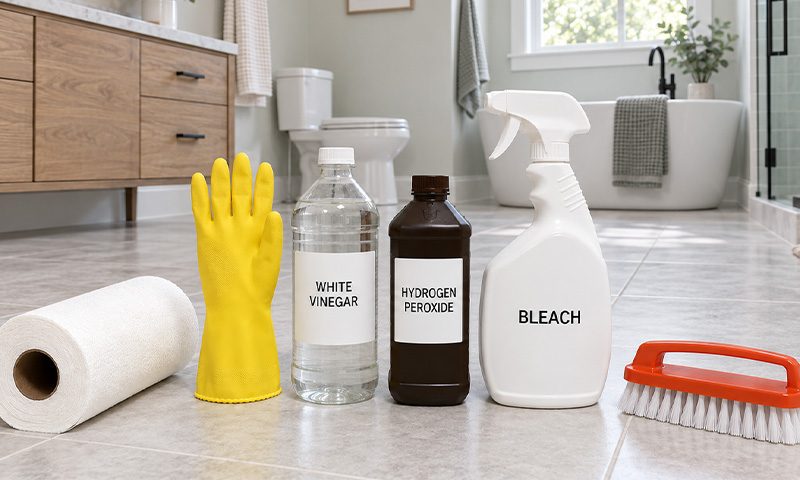
To get rid of shower mold, ventilate the bathroom and wear gloves. Apply 3% hydrogen peroxide to affected areas, let it sit for 10 to 30 minutes,... Read More »
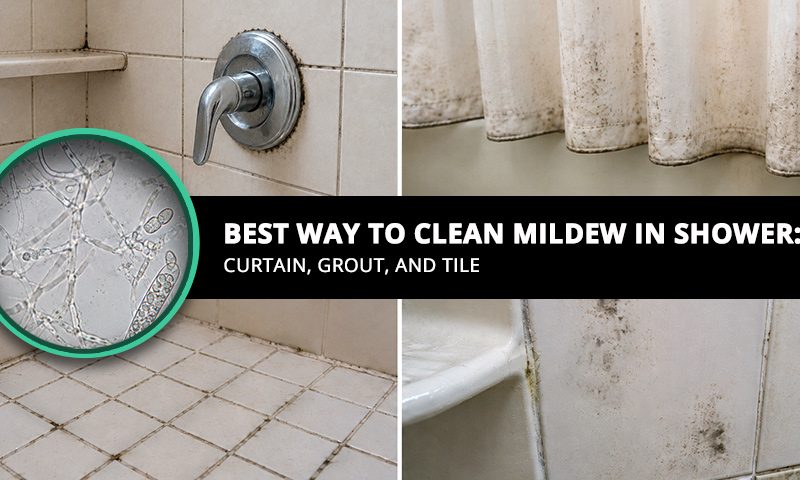
To clean mildew in a shower, apply a standard bathroom cleaner, undiluted white vinegar on non-porous tile and glass, or a baking soda paste on g... Read More »
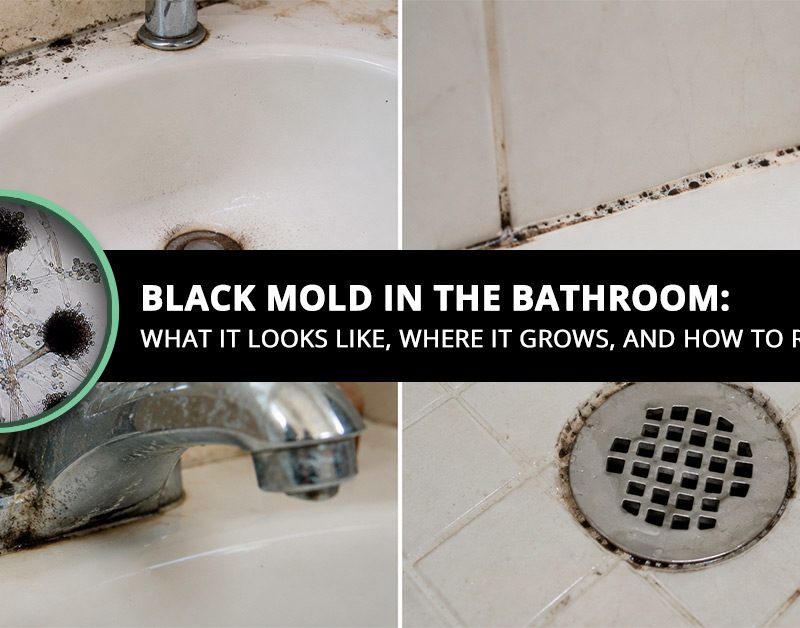
Black mold in a bathroom is dark-colored mold that grows in damp, humid areas such as shower grout, caulk, walls, ceilings, and around fixtures. ... Read More »
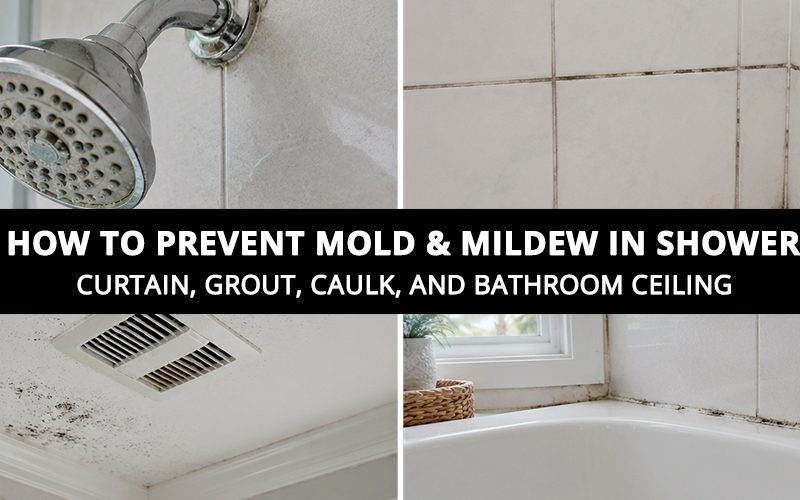
To prevent mold and mildew in a shower, control moisture, remove organic residue, and maintain adequate ventilation consistentl... Read More »
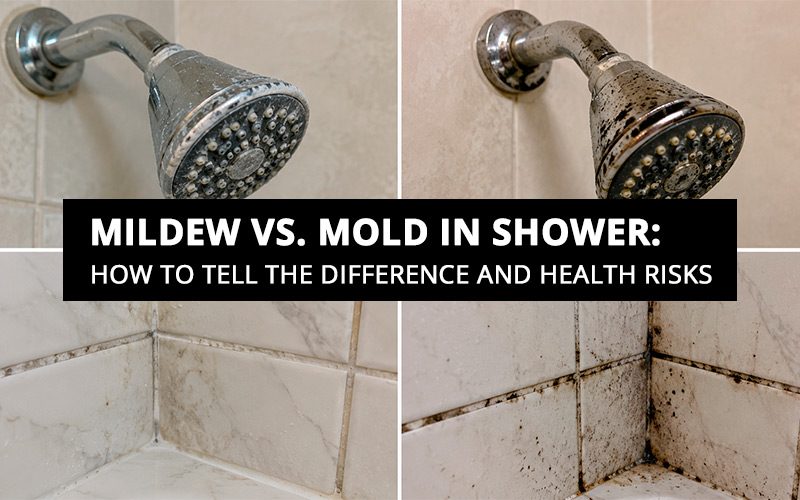
Mildew is a surface fungus that stays flat, looks powdery or downy, and is usually white, gray, or light yellow. Mold is a more invasive fungus t... Read More »
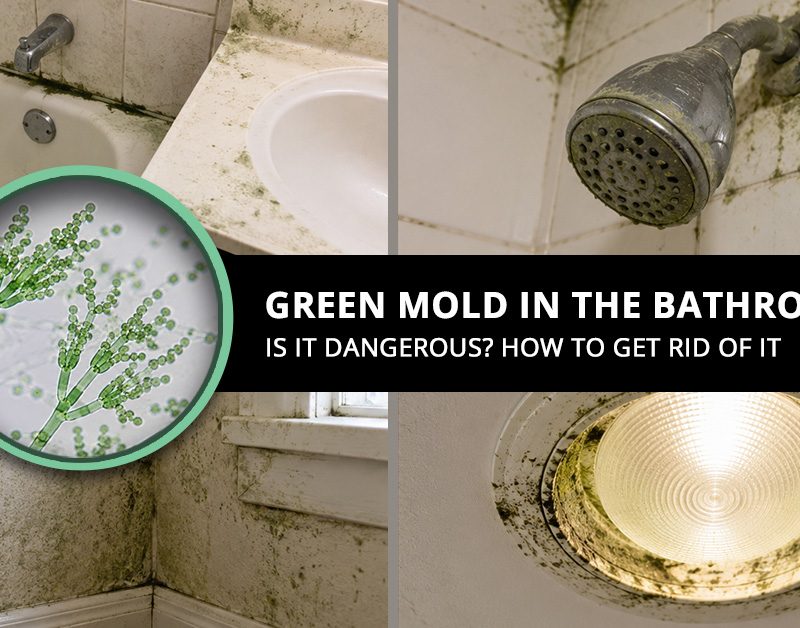
Green mold in the bathroom is most commonly Aspergillus, Penicillium, or Cladosporium, three allergenic fungal species that thrive in warm, humid... Read More »
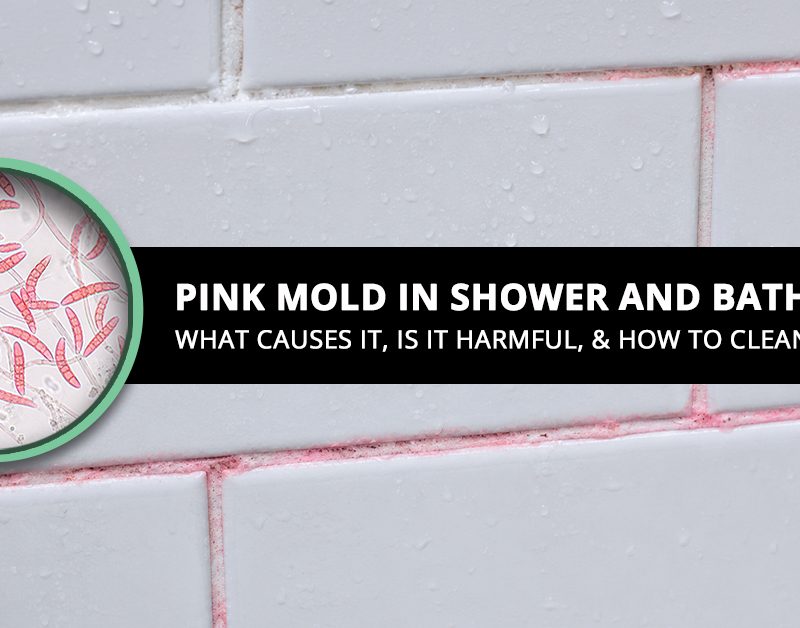
Pink mold in the shower is usually a bacterium called Serratia marcescens, not a true mold or fungus. It forms a slimy pink to orange-pink biofil... Read More »
You noticed something brown in your bathroom. Maybe it is a fuzzy patch creeping along the grout, a dark cluster on the ceiling near the vent... Read More »
Different types of bathroom mold look different, grow in different spots, and carry very different health risks. Some are mostly a nuisance. Othe... Read More »
⚠️ Disclaimer: Use these cleaning methods at your own risk. Carpet materials vary and may react differently to certain products, which could ... Read More »
Privacy & Terms | Sitemap | Copyright © 2026 Mint Condition Floor Restoration & Emergency Services All rights reserved | (407) 456-2035 | Orlando FL | Orlando Web Design by: M5